

Is a Home Sleep Study Brisbane Better Than In-Clinic Testing?
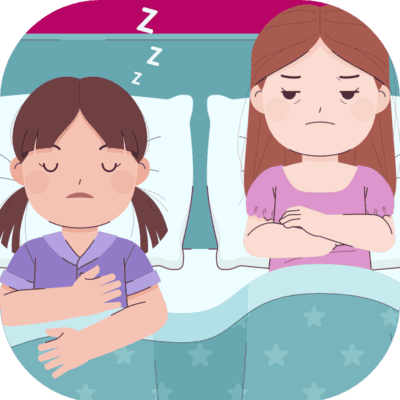
For many people in Brisbane, a home sleep study can be a better first step than in-clinic testing because it is cheaper, faster to book, and more comfortable. ...
Everything You Need to Know Before Getting a Sleep Study Adelaide
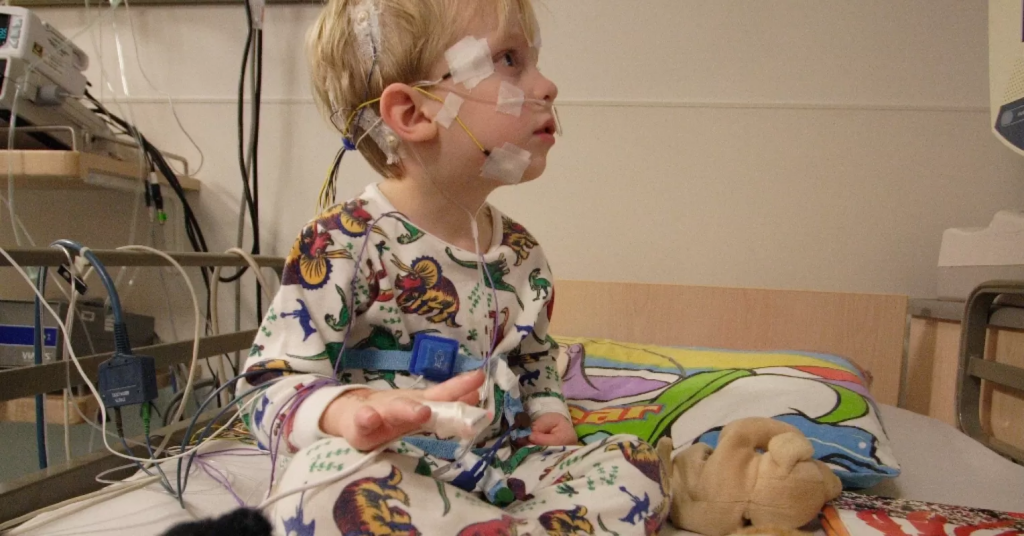
A sleep study in Adelaide helps clinicians figure out why someone is not sleeping well, snoring loudly, or feeling exhausted during the day. It records key bod ...

Repetitive Books For Language Learning
In Books, Toddlers and Language, I told you about how reading repetitive books with infants and toddlers can be a great way to entice them into using language ...
Using Expansion and Extension To Grow Your Child’s Language
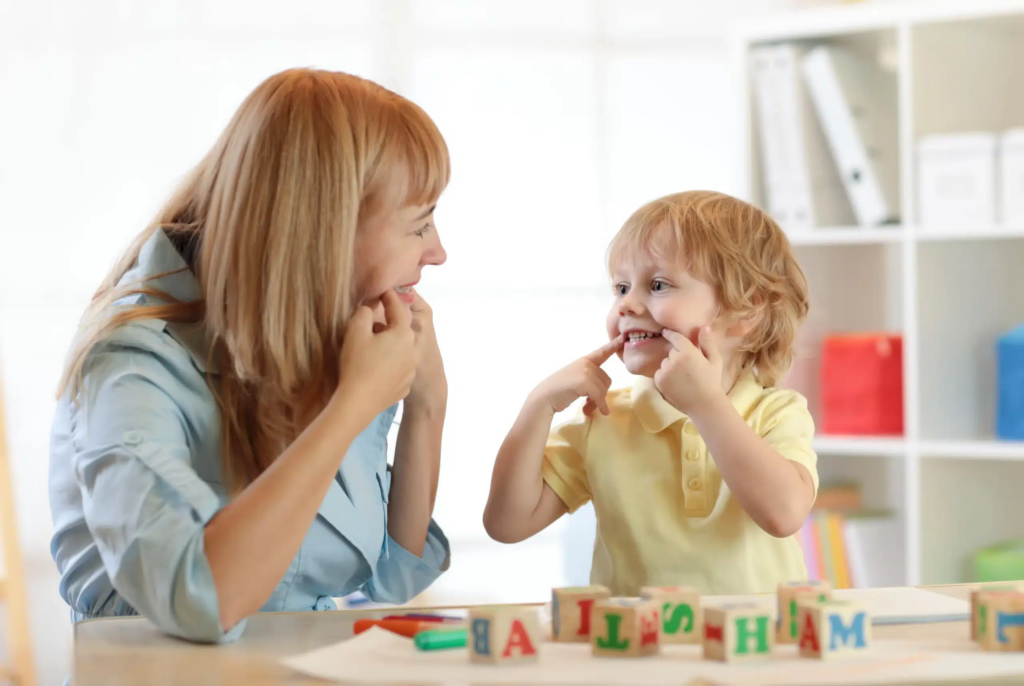
As a pediatric speech-language therapist, I often use indirect language facilitation strategies to help grow a child's language. I've written about these st ...

Communication Temptations: How Use Your Environment to Get Your Child Talking
Wondering how to get your child talking? We speech-language therapists have lots of tricks in our pockets to do just that. One of our very favorites involves e ...
All Kinds of Talk: Using Your Language to Change Your Child’s
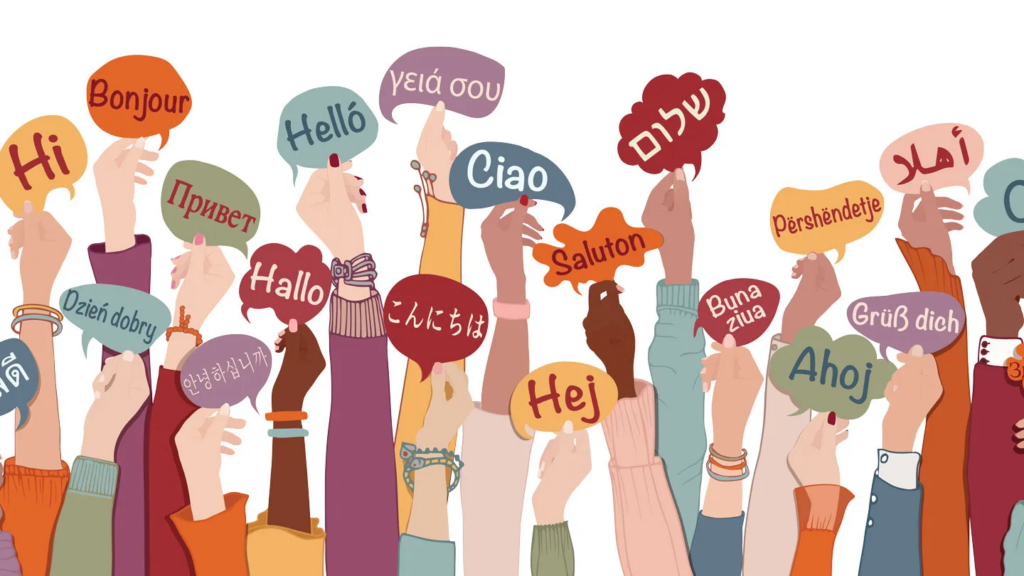
It seems almost too simple to be true: To help your child learn to talk, you'll need to....talk to your child. And yet as simple of a concept as it is, it's al ...